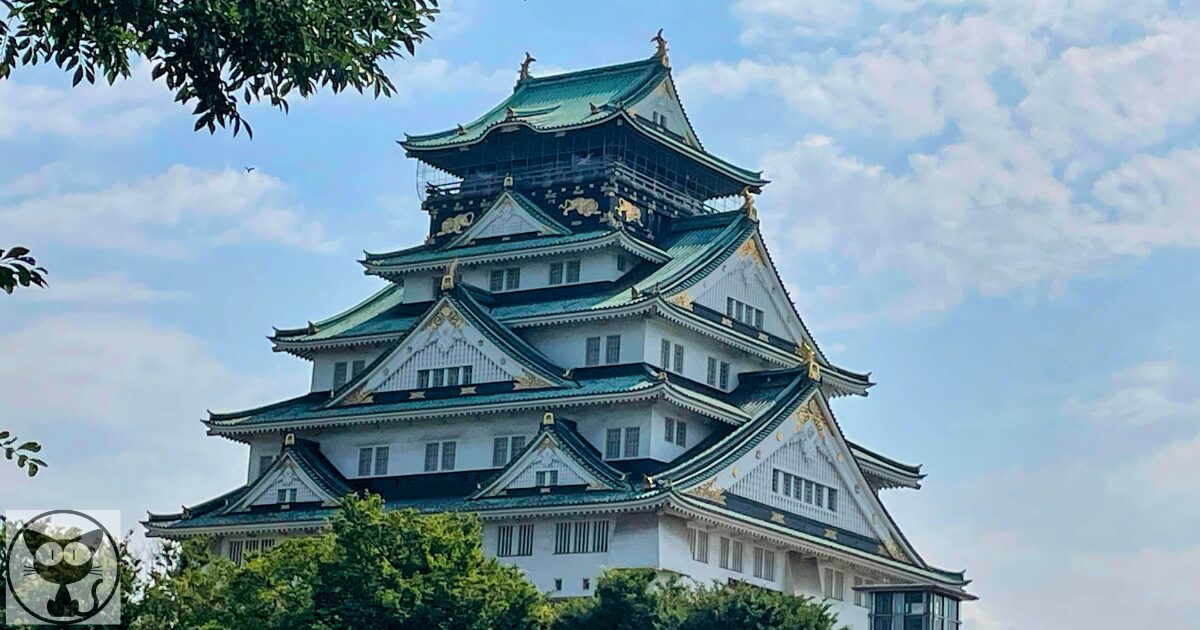
For Osaka people, Osaka Castle is a source of pride.
In a vast park colored by plum blossoms and cherry blossoms, surrounded by moats and massive stone walls, stands a soaring castle keep. People born in Osaka take pride in the fact that “Taiko-san’s Osaka Castle” exists right in the middle of the city of Osaka.
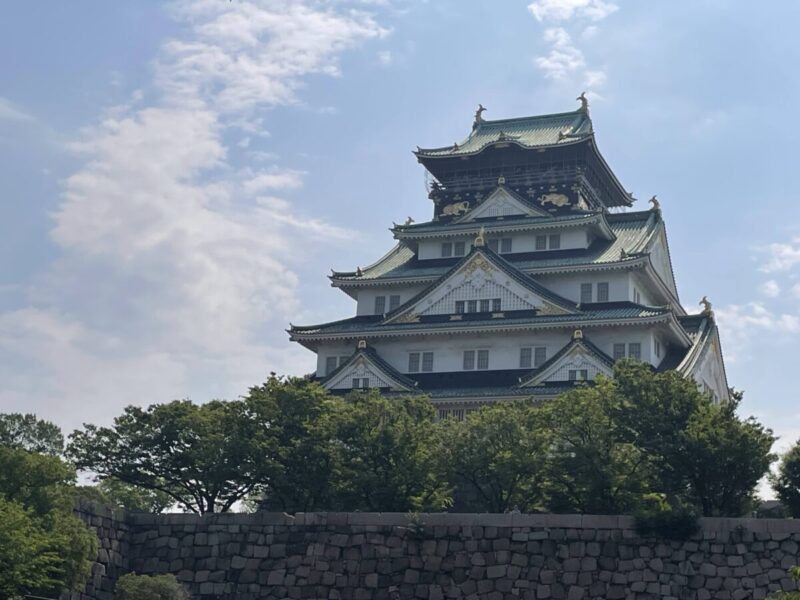
But that white castle tower, it’s actually not a castle that Toyotomi Hideyoshi built. The place where the castle stands has been a stronghold through various different eras.
Let me trace through that history.
Ishiyama Hongan-ji — An Impregnable Religious City That Took Even Nobunaga Ten Years
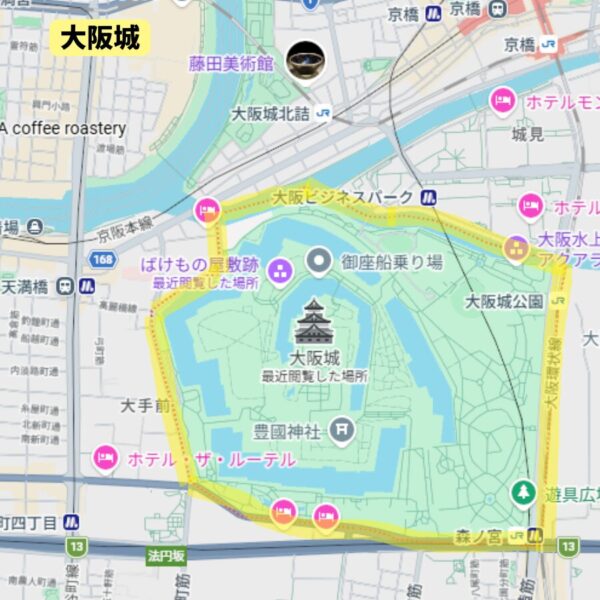
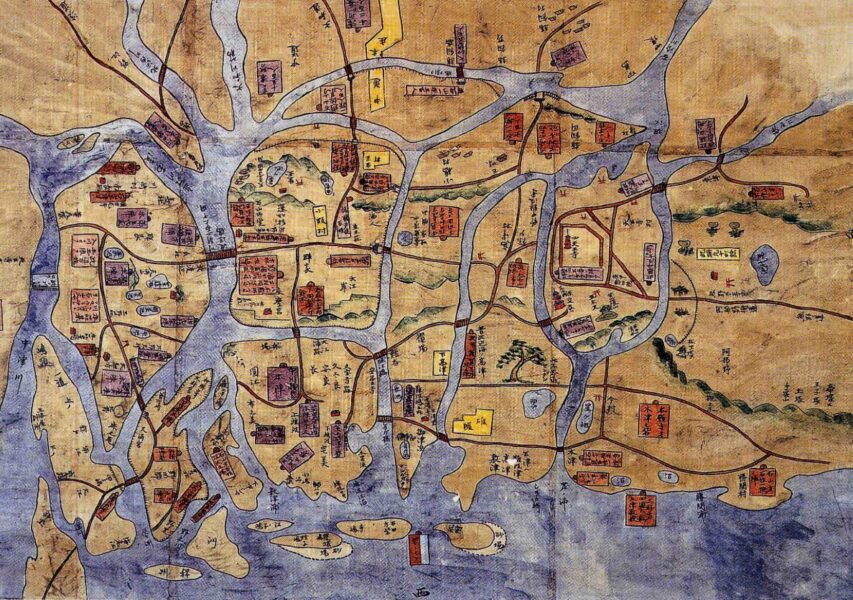
The northern end of the Uemachi Plateau. A natural stronghold surrounded on three sides by rivers and wetlands, attackable only from the south. If you go up the Yodogawa River, you can reach Kyoto, and if you head out to sea, you can reach the Seto Inland Sea.
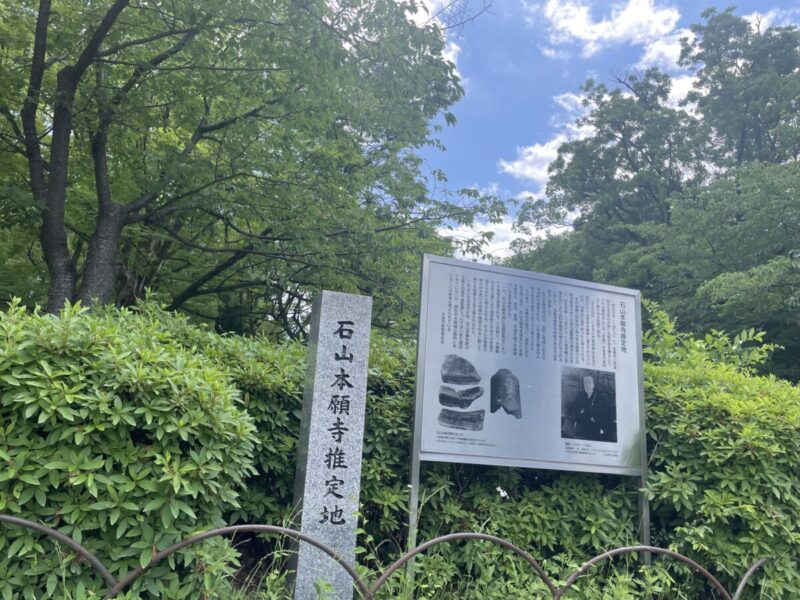
Around 1496, when the age of the Sengoku (Warring States) period was beginning, a priest of the Jodo Shinshu (Pure Land True) sect named Rennyo established a hermitage in this place. Eventually, it grew into a massive religious city called the Ishiyama Hongan-ji. It was surrounded by moats and earthen ramparts, guarded by armed followers, and merchants gathered at its gates.
The Monto (followers of the Jodo Shinshu sect) who had spread throughout the country resisted feudal lords in various regions. This was the Ikko Ikki (uprisings of Ikko sect followers). They came into conflict with Oda Nobunaga, who aimed to unify the country, and battles began in 1570 and lasted for 10 years.
In 1580, the third chief priest after that, Kennyo, accepted a peace agreement and left this place. Immediately after that, a fire broke out. The flames continued burning for two days and two nights, and everything burned to the ground. Whether it was an accident or arson remains unclear even now.
3 years later, Toyotomi Hideyoshi built a castle on that land.
Hideyoshi’s Osaka Castle — A Black-Lacquer, Gold-Leaf Keep That Proclaimed the Unification of the Realm
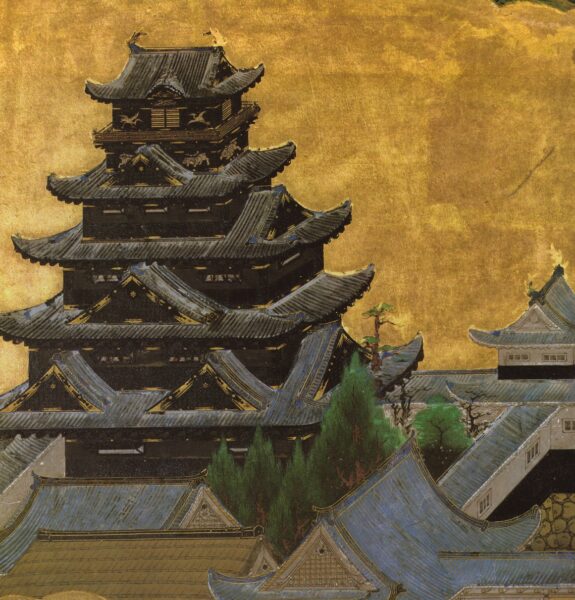
Toyotomi Hideyoshi built a castle to announce his unification of the realm to the world. Construction began in 1583, and the main keep was completed in just two years.
The outer walls are coated in black lacquer, and the roof tiles are covered in gold leaf. A 5-story 6-level keep where gold shines brilliantly against the black background. It was a castle that was even called “unmatched in the world.”
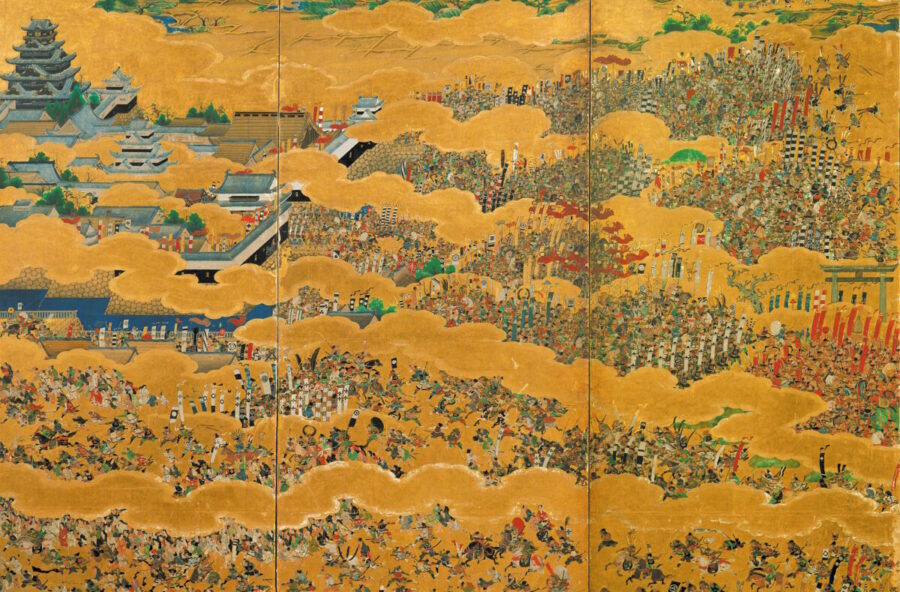
After Hideyoshi’s death, Tokugawa Ieyasu wins the Battle of Sekigahara (1600), a struggle over dominion of the realm.
Toyotomi Hideyori remained isolated in Osaka Castle. The castle moats were filled in during the 1614 Osaka Winter Campaign, and the castle fell during the Osaka Summer Campaign the following year. Hideyori and Yodo-dono took their own lives, and the Toyotomi clan was destroyed.
The Tokugawa’s Osaka Castle — A Castle Built as Proof of Submission
The Tokugawa shogunate, which destroyed the Toyotomi main house, erased Toyotomi’s castle from the face of the earth.
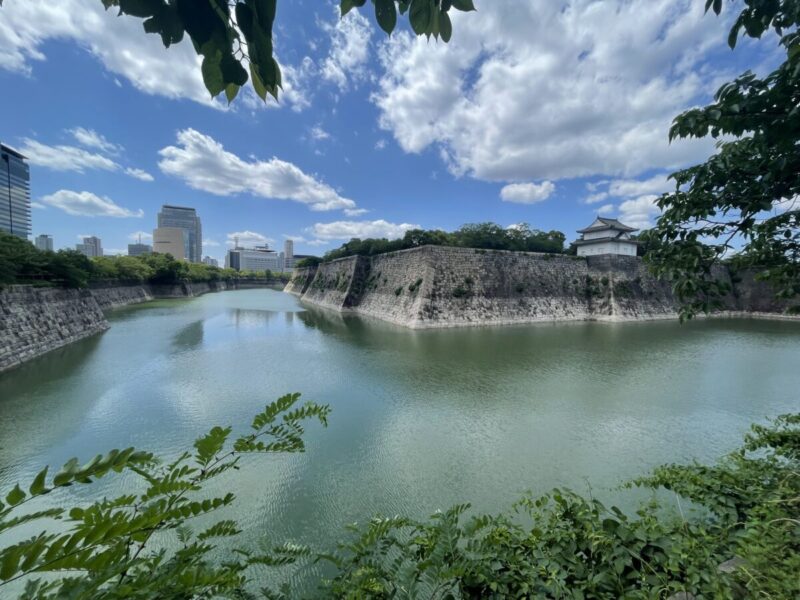
They piled up earth reaching as much as 10 meters high on the burned-out ruins, burying all the stone walls from Hideyoshi’s era underground. On top of that, they mobilized feudal lords from all over the country to build a new castle.
They made them transport huge stones and build up high stone walls. All the expenses and labor costs came out of the daimyo’s (feudal lord’s) own pocket. It was also construction work designed to drain the daimyo’s financial resources and force them to demonstrate their obedience to the Tokugawa.
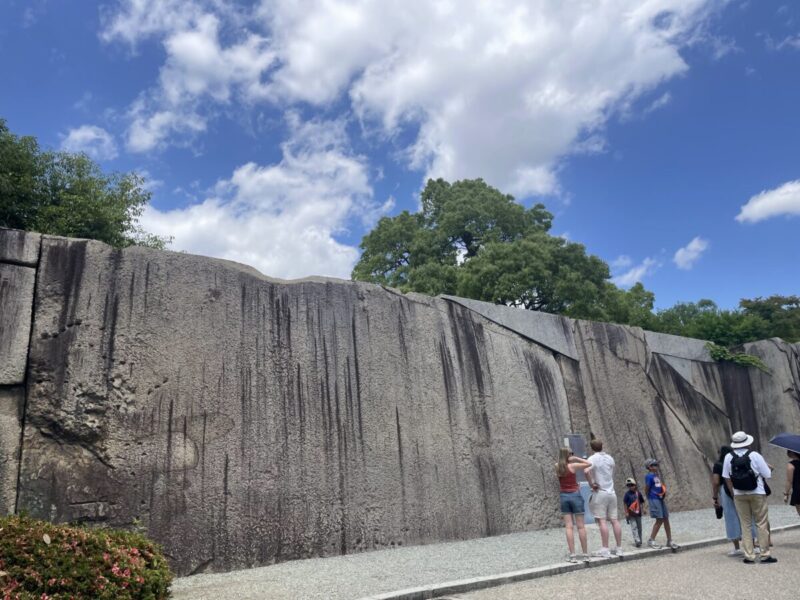
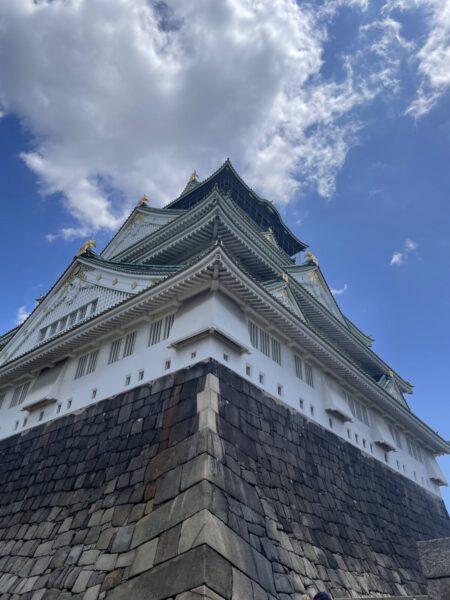
Stone walls that curve gently while becoming steeper as they go up. They’re not just beautiful, but they’re also structured so enemies can’t easily climb them.
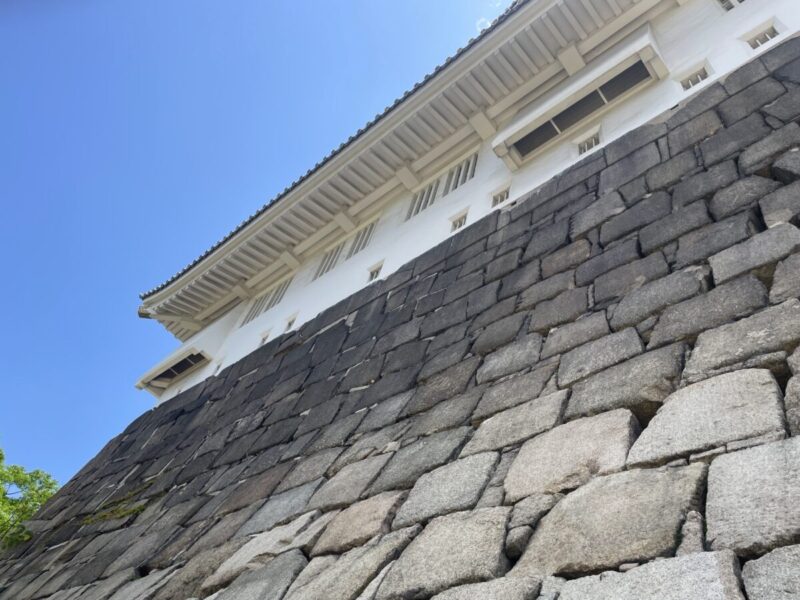
The stones with the crests and seals of the various daimyo (feudal lords) families carved into them still remain.
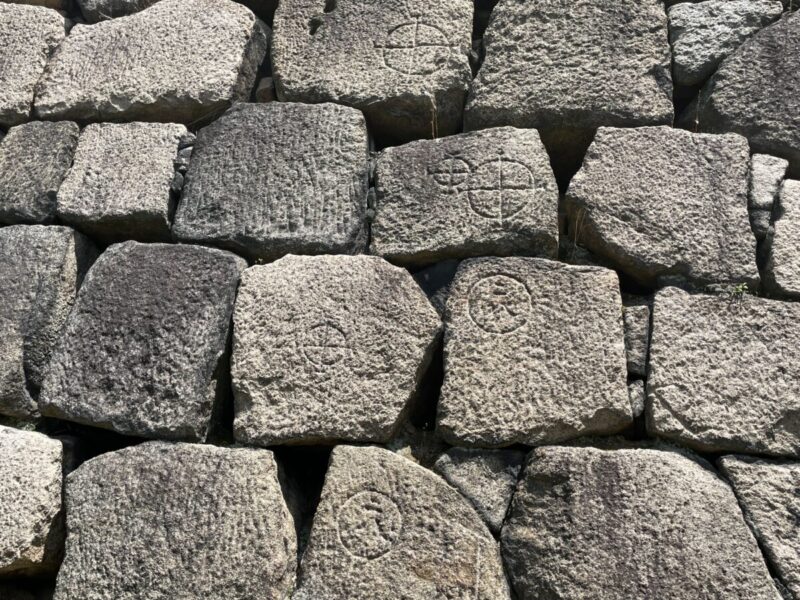
Right now, the stone walls, moats, and keeps that you see at Osaka Castle were all built by the Tokugawa shogunate during this period. There are no remains of the Toyotomi Osaka Castle left on the ground surface.
The completed castle was directly managed by the shogunate and became a base for monitoring the daimyo (feudal lords) of the western regions.
However, just 39 years after its completion, the main keep was destroyed by fire from a lightning strike. After that, for more than 260 years until the early Showa (early 20th century), it was never rebuilt and remained as just the stone foundation of the keep.
Taiko-san and the People of Osaka — Why They Love Hideyoshi
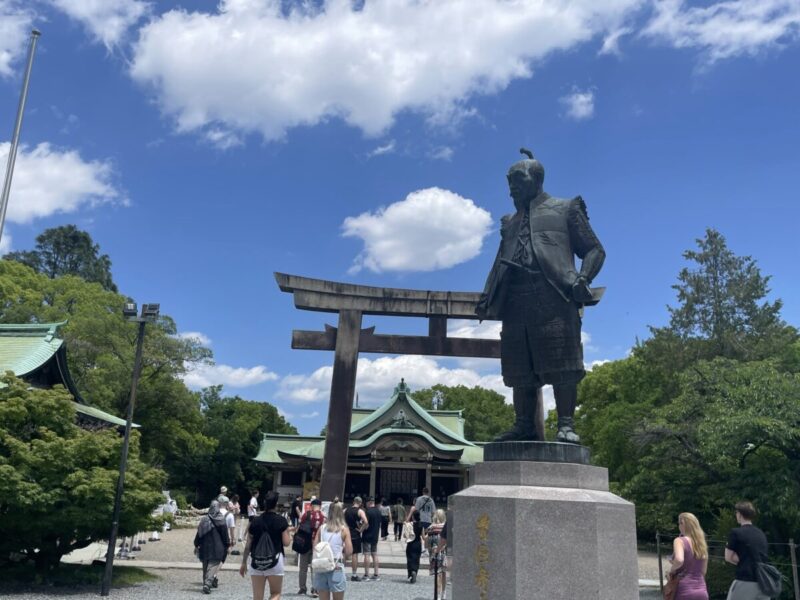
Even after the country came under Tokugawa rule, the common people of Osaka continued to love and affectionately call Toyotomi Hideyoshi “Taiko-san”.
A hero who rose from peasant origins to become a ruler of all the land, and a benefactor who built the city of Osaka. Hideyoshi not only built Osaka Castle, but also summoned merchants and daimyo from throughout the country, laying the foundation for Osaka as a merchant city called the “Kitchen of the Realm.”
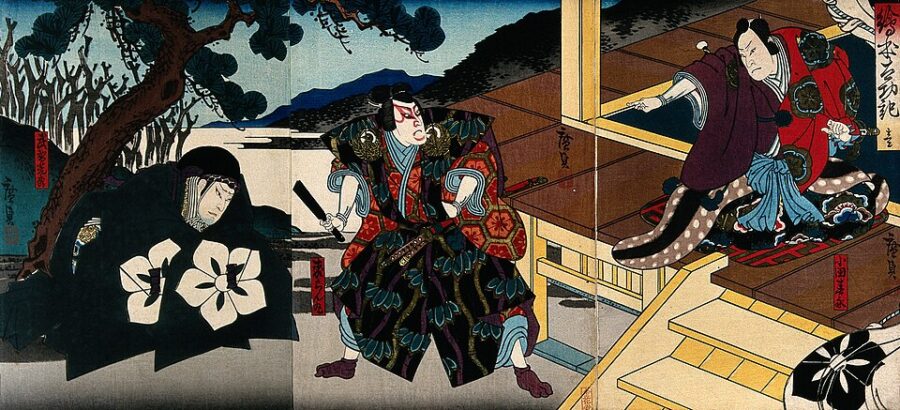
In the mid-Edo period, the illustrated novel Ehon Taiko-ki (Picture Book Tale of Toyotomi Hideyoshi), which was born in Osaka, became a nationwide bestseller and was also adapted into kabuki and joruri (puppet theater) performances.
The Tokugawa shogunate banned it, but the common people of Osaka’s fondness for Hideyoshi never disappeared. The sense of rivalry against Edo (Tokyo) has been firmly passed down to the people of Osaka even in modern times.
The Modern Era and Showa — The Concrete Keep That Survived the War
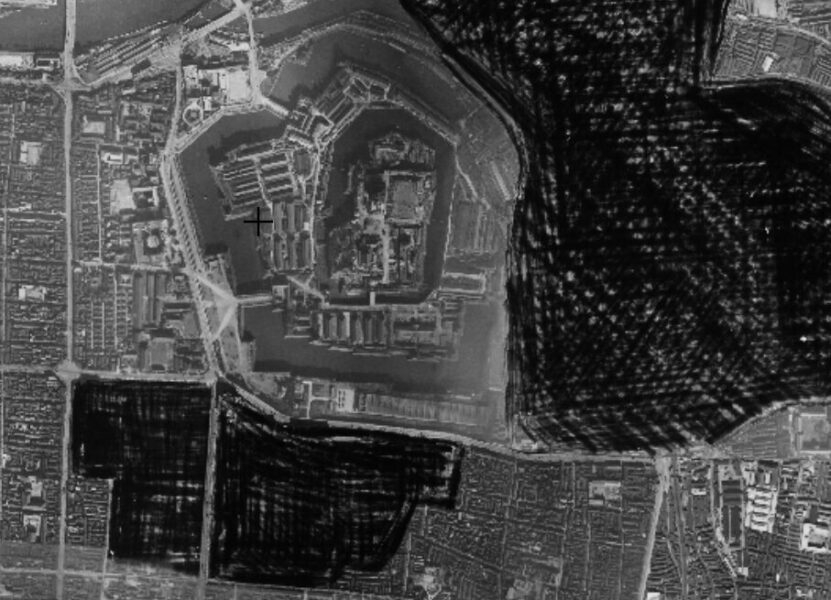
In Meiji 1 (1868), during the chaos of the Boshin War, Osaka Castle burned down inside, and many buildings were lost. After that, the area around Osaka Castle was requisitioned by the military, and the entire castle grounds became military-controlled territory.
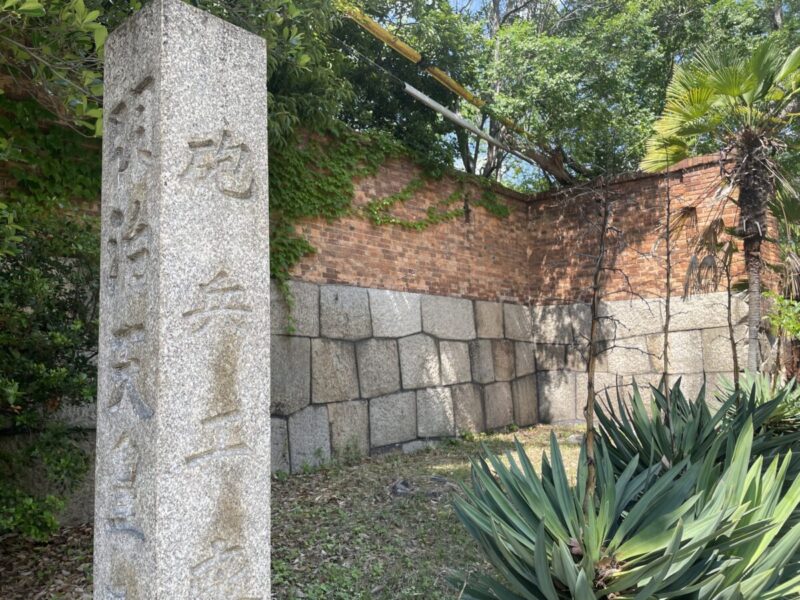
In aerial photographs taken before the war, areas of military facilities like the Hohei Kosho (artillery arsenal) are painted over in black.
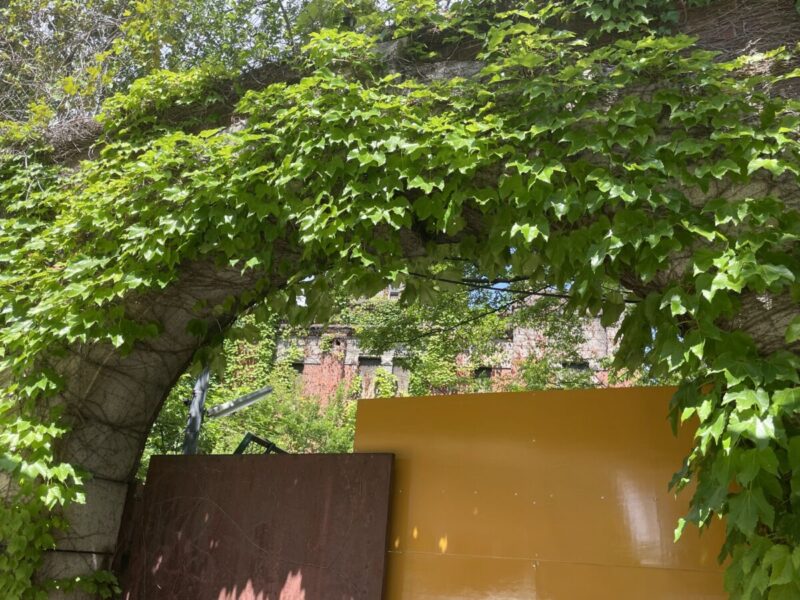
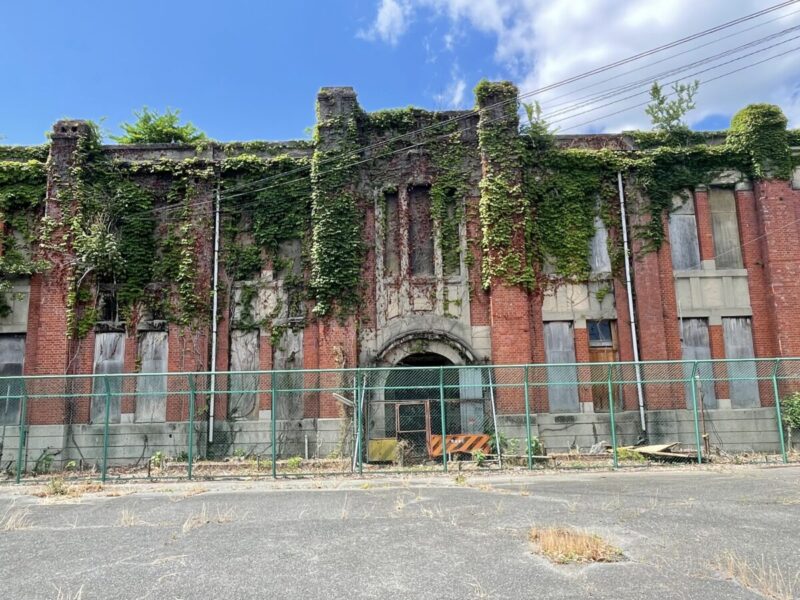
You can still see the exterior of the original building near the entrance at the Kyobashi-guchi (Kyobashi Gate). It’s a brick-built chemical analysis laboratory constructed in Taisho 8 (1919).
It’s covered in ivy, its windows still boarded up, and it sits quietly hidden away in a place where most tourists pass by without noticing.
In Taisho 14 (1925), Osaka surpassed Tokyo in population and became Japan’s number one city. To commemorate this, the “Dai-Osaka Commemorative Exposition” was held, and when they displayed Hideyoshi’s belongings in a temporary facility called the “Houkoku-kan” built on the tenshu (castle tower) foundation, about 700,000 people visited over approximately a month and a half.
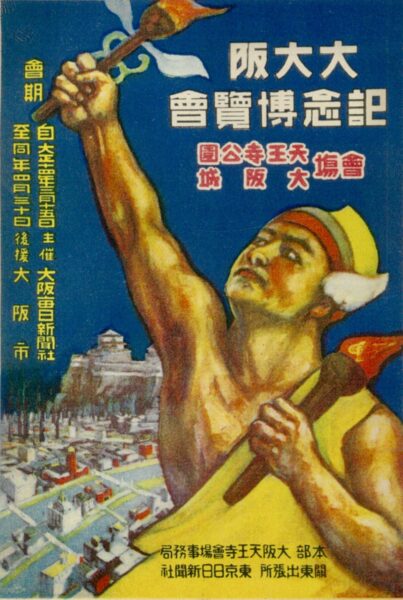
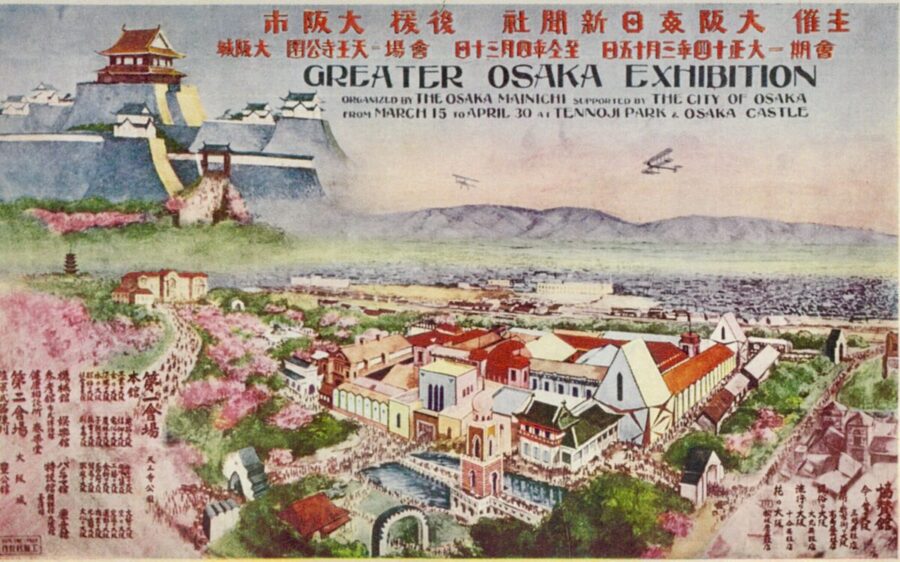
Receiving that earnest desire, Osaka City Mayor Seki Hajime proposed the reconstruction of the castle keep. When he solicited donations from the citizens, 1.5 million yen (equivalent to several billion yen in today’s money) was collected in just half a year.
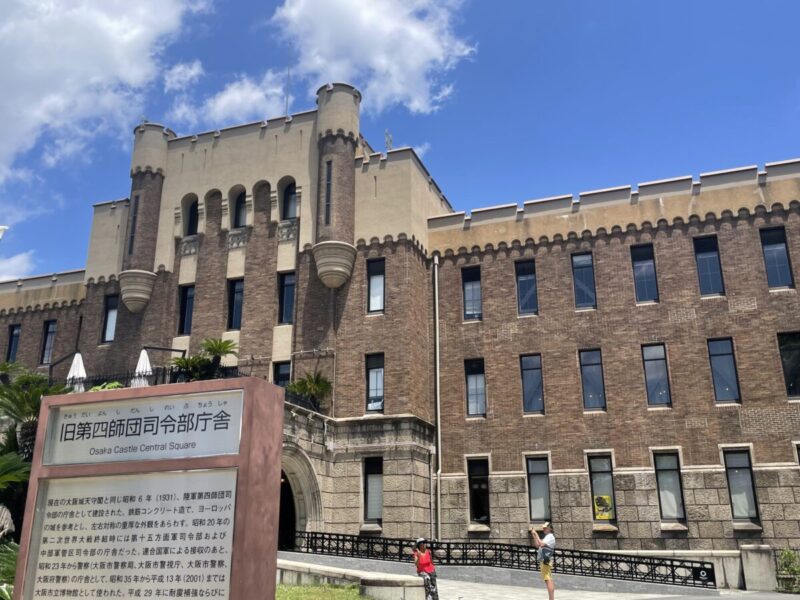
The mayor of Seki negotiated with the military, saying “Please allow us to rebuild the tenshu (castle tower) in exchange for constructing a new army headquarters building,” and obtained their approval.
Out of the 1.5 million yen that was collected, 470,000 yen was allocated to the construction of the tenshu (castle keep). 800,000 yen was used for the construction of the Fourth Army Division Headquarters building. It turned out that more than half of the citizens’ donations were spent on military buildings.
That building is still being used as a cafe and restaurant today.
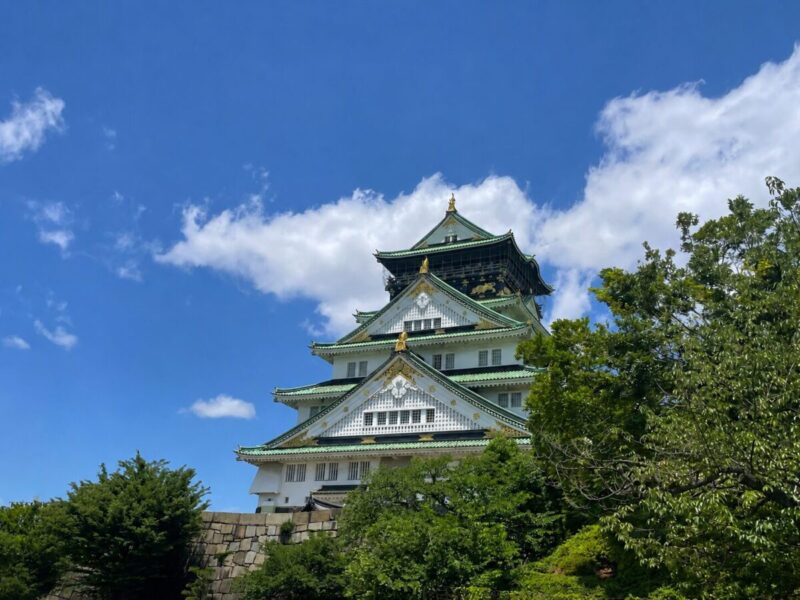
Showa 6 (1931), the tenshu (castle keep) was completed. It’s made of steel frame reinforced concrete, and it’s an 8-story building above ground.
The construction was carried out by Obayashi Corporation, which had its headquarters in Osaka. At the time, the company’s president said, “This is an important project for all the citizens of Osaka. If Osaka’s contractors don’t do it, no one will,” and they took on the construction work at a discounted price, completing it on schedule.
It was opened to the public as a local history museum displaying materials related to Hideyoshi, and citizens flocked to visit. However, in Showa 17 (1942), as the war situation deteriorated, it was closed and entry to the park by ordinary citizens was also prohibited.
Showa 20 (1945), August 14th, the Great Osaka Air Raid.
The artillery arsenal was completely destroyed. A one-ton bomb also fell near the tenshu (castle keep). The stone walls shifted significantly from the impact, but the tenshu structure itself wasn’t affected. It survived because it was a castle made of steel frame reinforced concrete.
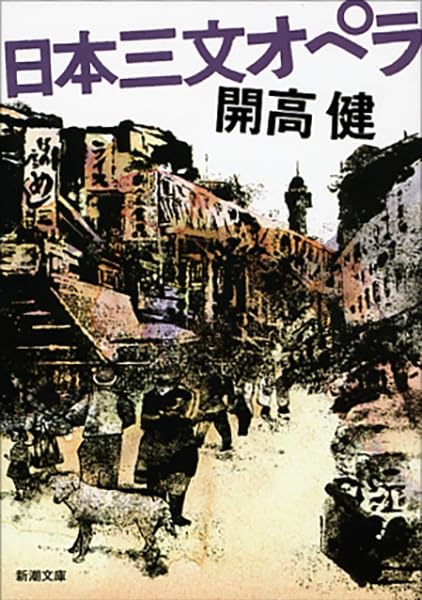
The next day, the war ended. The ruins of the artillery factory site were left abandoned for many years because there were supposedly many unexploded bombs. In the Showa 30s (1955-1959), when night fell, people would sneak across the river into the ruins and take out scrap metal to sell. The newspapers called them the “Apache Gang.” Kaiko Ken’s novel “Nihon Sanmon Opera” (A Japanese Threepenny Opera) depicted this conflict. After that, many homeless people lived there too, with blue tents lined up in rows.
During the Heisei period’s major renovation, the tenshu (castle keep) was restored to its appearance from Showa 6 (1931), and it became a nationally registered tangible cultural property. These days, people gather in the spacious, well-maintained park, where the moat and stone walls stand alongside the beautiful tenshu rising up into the sky.
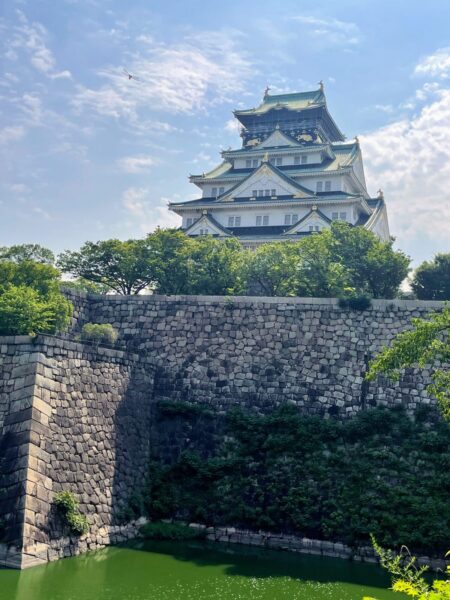
The stone walls were built by the Tokugawa. The main tower is made of Showa (1926-1989) era concrete. Still, that’s the Osaka spirit for you—proudly saying “Osaka Castle is Toyotomi Hideyoshi’s castle, you know.”
Walking along the moat, looking up at the stone walls, gazing up at the castle keep. I really want you to walk through this place with your own feet, where 500 years of history are layered on top of each other.
[ACCESS] Get off at Osaka Castle Park or Morinomiya Station on the JR Osaka Loop Line — the park is right at the exit. / About a 10-minute walk from Tanimachi 4-chome or Temmabashi Station on the Osaka Metro Tanimachi Line.


※コメントは最大500文字、5回まで送信できます